Your gut is home to about 100 trillion microorganisms, mostly bacteria. Many of these are beneficial bacteria that help keep harmful bacteria in check and support a healthy balance in the gut. That balance is not fixed, and a poor diet can tip it.
A healthy digestive system depends on more than the food you eat. It also depends on what that food feeds. The right plant fibers can help the good microbes in your gut microbiome thrive.

You will find everyday foods that do this job, plus realistic ways to eat more fiber. You will also learn how to ease gas while your body adjusts. First, it helps to know what prebiotics for gut health actually are.
Key Takeaways
- Prebiotics are plant fibers that feed the good bacteria in your gut.
- Probiotics add live bacteria, while prebiotics feed the ones already there.
- Garlic, onions, leeks, bananas, oats, and beans are easy everyday picks.
- Prebiotics support digestion, immunity, and blood sugar, though research is still growing.
- Add new foods slowly and drink water to avoid gas and bloating.
- Talk to a doctor first if you have IBS, Crohn’s disease, or ulcerative colitis.
1. What Are Prebiotics and How Do They Work?
Prebiotics are plant fibers your body cannot digest but your gut bacteria can. They include some starches, oligosaccharides, inulin, and pectin. Think of them as fertilizer: they feed the good bacteria the way fertilizer feeds a garden.
Because you cannot break them down, prebiotics travel intact from your mouth through the stomach and small intestine to the colon. There, gut bacteria ferment them. Fermentation is the process in which gut bacteria break down fiber in the colon and produce short-chain fatty acids (SCFAs).
Prebiotics are not living organisms. They are food for the living bacteria already in your gut.
The main SCFAs are acetate, propionate, and butyrate. They feed the cells that line your intestine and help produce mucus. They also help regulate inflammation and support immunity.
Prebiotics help beneficial bacteria such as Bifidobacterium and Lactobacillus grow. Not all fiber acts as a prebiotic in the same way, so some fibers feed gut bacteria better than others. Many people confuse these fibers with probiotics, and the two are not the same thing.
2. Prebiotics vs. Probiotics: What’s the Difference?
Probiotics add live bacteria to your gut, while prebiotics feed the bacteria already there. Probiotics are live bacteria and yeasts that join the microbes you already have. Prebiotics are non-living fiber, and probiotics are living microorganisms.
| Prebiotics | Probiotics | |
|---|---|---|
| Nature | Non-living fiber | Live microorganisms |
| What it does | Feeds existing bacteria | Adds new bacteria |
| Examples | Garlic, oats, bananas | Yogurt, kimchi, kefir |
| Where you find it | Plants | Fermented foods |
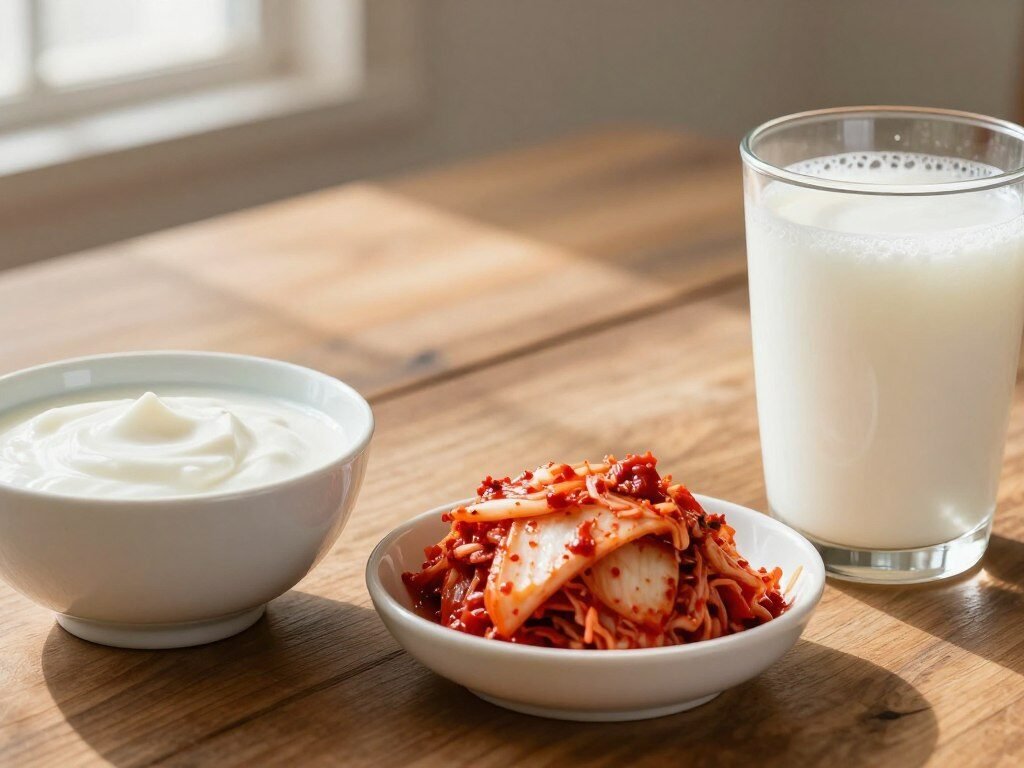
Fermented foods for gut health include yogurt, kimchi, kombucha, miso, fermented pickles, sauerkraut, kefir, and certain cheeses. Cottage cheese may also contain beneficial live cultures, so check the label for live and active cultures. For a dairy-free option, try almond milk yogurt with live cultures.
For the best probiotic yogurt for gut health, check that the label states live and active cultures. Sweetened versions add sugar. Products also differ in strains and amounts.
One caution: plain fermented foods that are cooked or pasteurized after fermenting may lose their live cultures. As general advice, check the label.
Eating both together creates a synbiotic effect. Yogurt with sliced bananas is a simple example. Next, look at where prebiotics come from in everyday food.
3. Foods That Contain Prebiotics
Garlic, onions, leeks, and bananas are the easiest everyday prebiotic foods. Garlic, onions, and bananas are among the most common picks, and you do not need a ranking to start. Most people get enough prebiotics from a fiber-rich, varied diet.
What fruit should you eat every day? There is no fixed answer. Bananas, apples and berries are all prebiotic options.
- Garlic, onions and leeks: add them to soups, sauces and stir-fries.
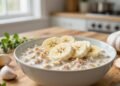
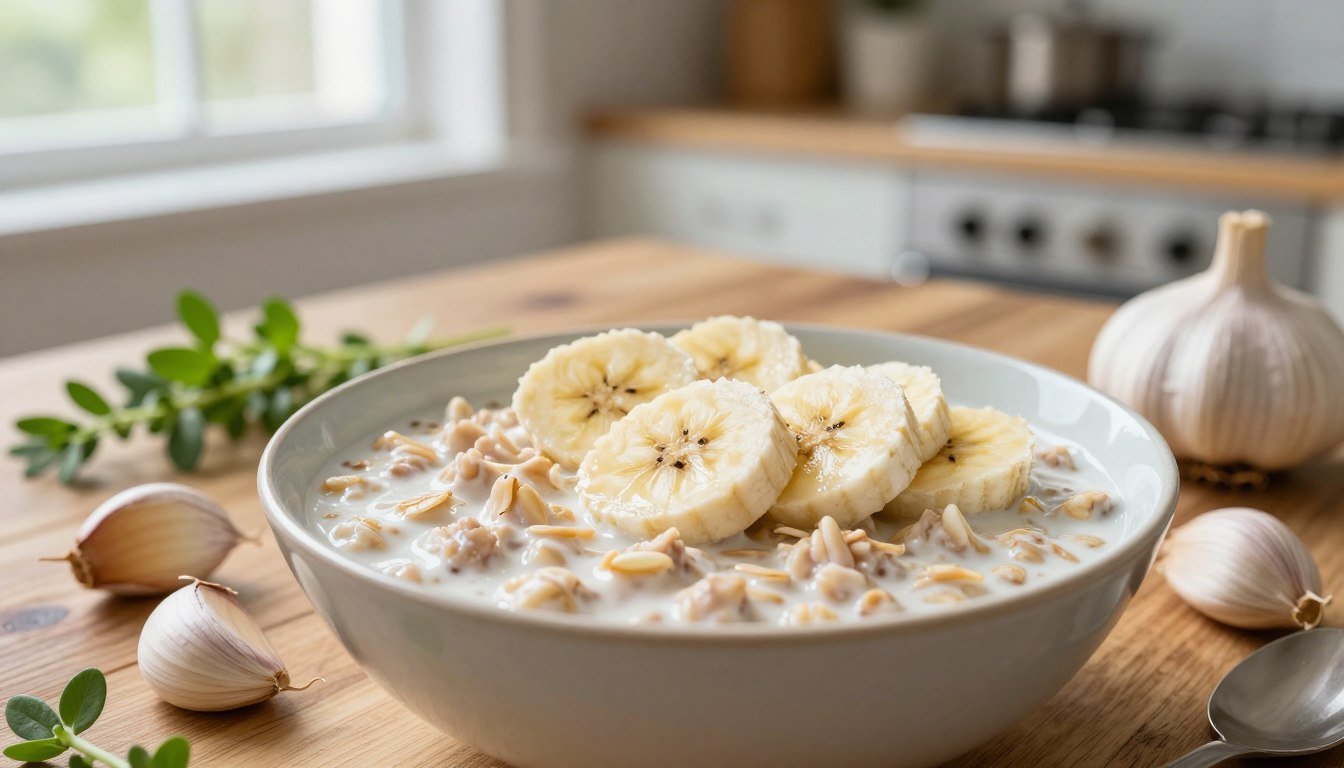
- Bananas and apples: slice them onto oatmeal or eat them as a snack.
- Beans, lentils and chickpeas: toss them into salads and stews.
- Oats and barley: swap them in for refined grains at breakfast or in soup.
- Asparagus and Jerusalem artichokes: roast them as a side dish.
- Chicory root: it is especially high in prebiotics and shows up in many supplements.
Other good choices include soybeans, chia seeds, flaxseeds, berries, dandelion greens, jicama, cocoa, seaweed, and wheat bran. For more ideas, see these best foods for gut health.
If you avoid gluten, use chickpeas, beans, and lentils in place of whole grains. Now see what these foods can do for your body.
4. How Prebiotics for Gut Health Support the Body
Prebiotics feed bacteria that make compounds your gut lining and immune system rely on. Researchers are still learning how much prebiotics influence health, so treat the findings as promising, not final. The evidence gives no figures beyond one inulin study.
Digestion and a Balanced Microbiome
SCFAs feed the cells of your gut lining and help ease inflammation. A well-fed microbiome also supports regular bowel movements. It can boost satiety and support heart health and the gut-brain connection.
Immunity, Blood Sugar and Nutrient Absorption
Higher prebiotic intake is linked with several benefits:
- Better absorption of dietary calcium and magnesium
- Better blood sugar control
- A well-functioning immune system
- Greater fullness after meals
- A lower risk of colorectal cancer
In one study, people ate 30 grams daily of high-inulin foods for two weeks. They chose lower-calorie foods. They also showed less brain reward activation when shown high-calorie foods.
What Happens When the Balance Slips
An unbalanced microbiome is tied to several problems. One named example is a C. diff infection, which causes diarrhea and colitis. Another is small intestinal bacterial overgrowth (SIBO). Research points to these types of harmful gut bacteria.
Imbalance is also linked with constipation, irritable bowel syndrome, and inflammatory bowel disease, including Crohn’s disease and ulcerative colitis. A link is not proof of cause. Turning all this into daily meals is the next step.
5. How to Add More Prebiotics to Your Daily Diet
Start the day with a bowl of yogurt, a sliced banana, and chia seeds. That Breakfast Combines Probiotic and Prebiotic Foods for Better Gut Health. Small daily swaps work better than a big overhaul.
For lunch and dinner, add prebiotic-rich foods like garlic, onions, and leeks to soups, stir-fries, and sauces to support gut health. Choose whole-grain bread or pasta, or try lentil and chickpea pasta for more fiber. For a refreshing alternative to soda, enjoy a glass of kombucha.
Prebiotic supplements fit three cases: a restrictive diet, recent antibiotics, or ongoing digestive symptoms. Quality and strains vary, and many products are not FDA-regulated. Whole foods provide antioxidants, essential vitamins, and minerals that support overall health and offer benefits that supplements may not fully replicate.
Avoid two mistakes. Avoid replacing balanced meals with supplements or taking large doses all at once. If a supplement causes digestive discomfort or other side effects, stop and seek advice from a healthcare professional about what to do next.
6. Can Prebiotics Cause Gas or Bloating?
Yes, adding too much prebiotic fiber too fast commonly causes gas and bloating. It can also bring diarrhea or cramping. Add new foods in small amounts and drink enough water.
- Start with one serving of a prebiotic food.
- Add one new food at a time.
- Increase the amount over several days.
- Drink water throughout the day.
- Pause if symptoms persist.
There is an exception. Some people with diarrhea-predominant IBS find that prebiotic-heavy diets make symptoms worse. People with constipation may see better bowel function.
If you have IBS, Crohn’s disease, or ulcerative colitis, check with a doctor first. See one too if symptoms last. A short wrap-up follows.
7. Conclusion
Small, steady food changes do most of the work. Put food first, since a varied, plant-rich diet gives your gut bacteria what they need. Then increase fiber slowly so your body can adjust.
Your next step is simple: add one prebiotic food, such as garlic or a banana, to tomorrow’s meal. If you have IBS or IBD, talk to your doctor before you change much.