

Your cycle affects more than the days when you see blood. It can shape your comfort, energy, and mood throughout the month. These healthy period habits offer practical tips to help you feel more at ease and care for your overall health.
The National Library of Medicine describes menstrual health as physical, mental, and social well-being in relation to the menstrual cycle—not simply the absence of illness. That broad view can help you understand how this part of life may affect you in different ways.

Good menstrual hygiene can help reduce odors, lower infection risk, and support comfort. Simple hygiene practices, such as changing products as directed and washing your hands, can make a difference. Choose good menstrual care that fits your needs.
Premenstrual syndrome may bring mood swings, food cravings, or fatigue, and your experience can vary. This guide covers comfort-focused routines, product safety, and what to avoid during your period, so you can make informed choices that work for you.
Key Takeaways
- Menstrual health includes physical, mental, and social well-being.
- Good hygiene can reduce odors and support comfort.
- Follow product instructions and wash your hands before handling products.
- PMS symptoms, such as fatigue and food cravings, can vary from month to month.
- Notice changes in your cycle and choose routines that suit your needs.
1. Build healthy period habits for better comfort
Simple routines can support menstrual health and help you notice what your body needs. Try one change at a time, then keep what works for you.
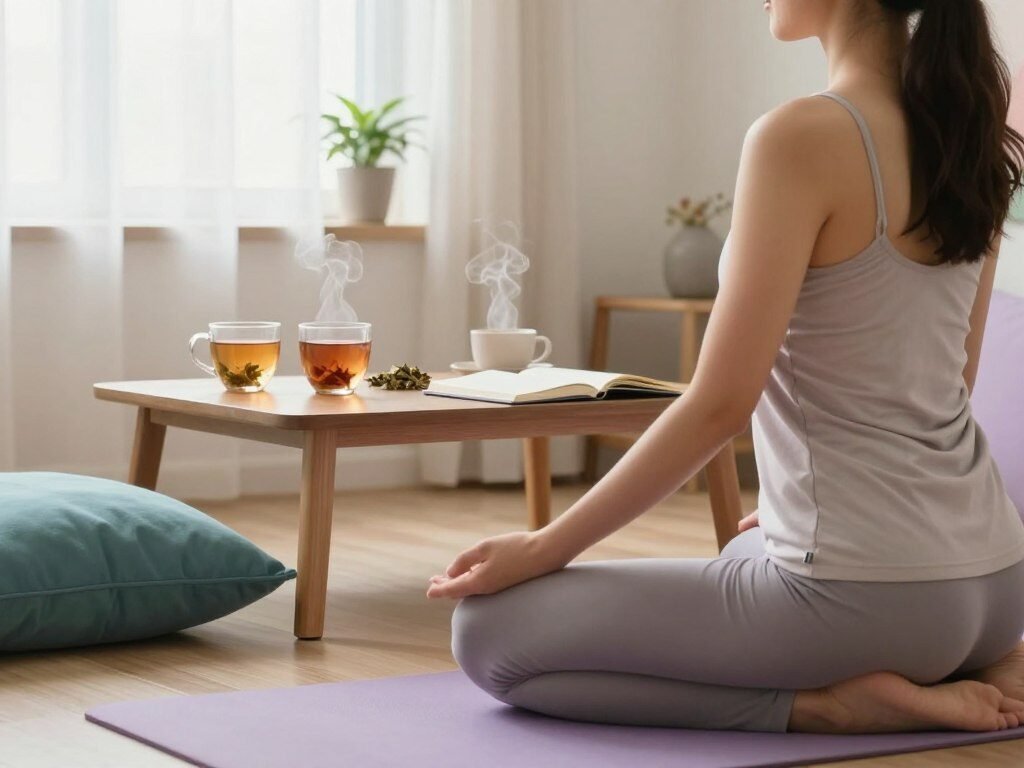
Stay hydrated and choose nourishing foods
Sip water through the day, and choose filling foods such as fruit, beans, whole grains, and eggs. Drinking water may help ease bloating and swelling linked to hormone shifts.
Use gentle movement and rest to support your body
A walk or swim may feel good during your period, but your energy can change from one cycle to the next. Choose gentle movement when it feels right, and make room for rest when you need it.
Track your cycle, cramps, and mood changes
Note dates, flow, cramps, and mood swings to spot patterns over time. Clue is a free app for ovulation and cycle tracking, described as top-ranked by Obstetrics & Gynecology, an official ACOG publication.
- Save notes about symptoms and discuss tracking options with your OB/GYN.
- For recurring cramps, ask a health care professional about treatment timing and whether Motrin, Advil, or Pamprin may suit you.
2. Practice good menstrual hygiene and choose products safely
Good menstrual hygiene starts with clean hands and products that fit your needs. Simple hygiene practices can help limit odors and lower infection risk.
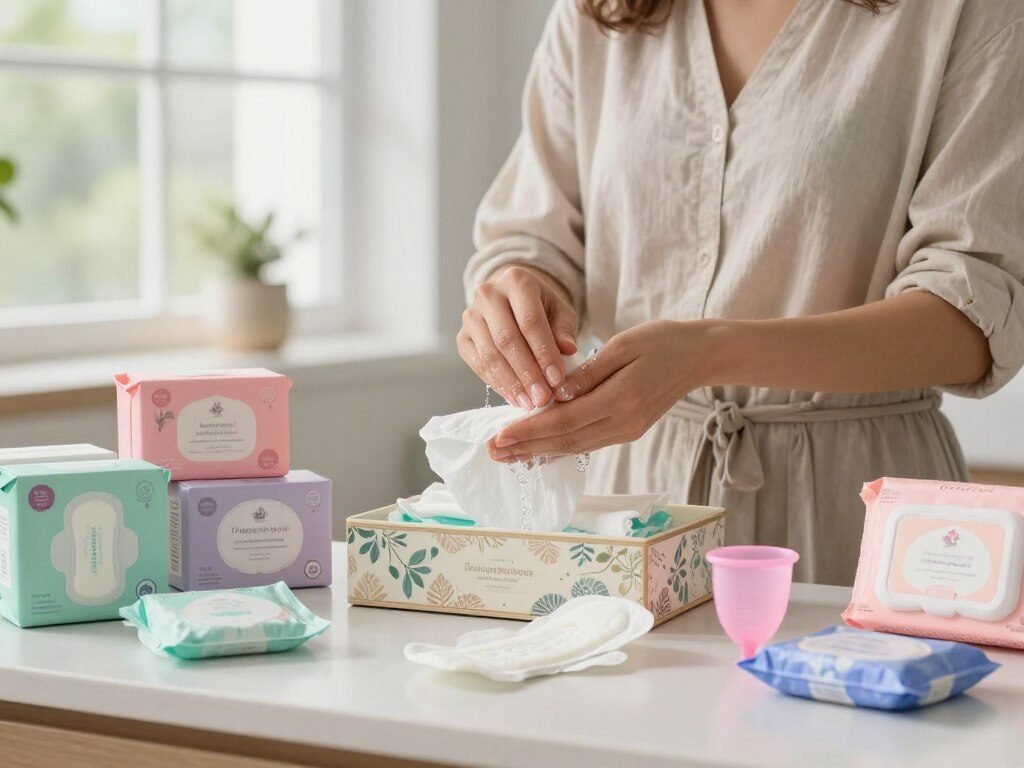
Change disposable products and clean reusable options
Wash your hands with soap and water before and after each change. Many guidelines suggest changing pads and tampons every four to six hours. Some recommend changing tampons every three to four hours. Follow the package directions, and never leave one in for more than eight hours.
Toxic shock syndrome is rare, but it can be serious and potentially fatal. More absorbent “super” tampons may raise the risk.
Choose products that fit your flow and routine
Pads, tampons, menstrual cups, discs, and period underwear offer different options for comfort and daily activities. Cups made from silicone or rubber can last for years with proper care. Clean them as directed; some brands advise boiling cups at cycle’s end. Check care labels before washing period underwear.
Breathable cotton underwear can help keep the vulva dry, while tight clothing may trap moisture. Use clean products near the vagina, and follow care instructions to support comfort and health.
3. Know what to avoid and when to seek care
Small choices can protect your comfort during menstrual bleeding. Watch for irritation, and get advice when a change feels unusual or disrupts daily life.
Skip scented products, douching, and harsh cleansing
Fragranced pads, tampons, and toilet paper may irritate sensitive skin. The vagina cleans itself, so douching can upset its natural balance and raise infection risk. Wash the vulva with warm water and mild, unscented soap. Avoid harsh chemicals and scented washes.
Pregnancy can happen during bleeding. Use condoms if you want to lower the risk of pregnancy and sexually transmitted infections, which can lead to pelvic inflammatory disease. Seek care for irregular cycles, heavy flow, unfamiliar symptoms, or cramps that concern you. These tips apply whether you use disposable products, menstrual cups, or other options.
For support, Avant Gynecology takes appointments at (404) 352-2850. Inspira Health’s 1-800-INSPIRA line serves Camden, Cumberland, Gloucester, and Salem counties. Texas Children’s Pavilion for Women also supports teens with menstrual questions at locations across Texas.
| Concern | What to do | Care option |
|---|---|---|
| Skin irritation | Choose unscented products and gentle external washing. | Ask a health care provider if it continues. |
| Heavy bleeding or cycle changes | Note symptoms and seek medical advice. | Avant Gynecology: (404) 352-2850 |
| Questions in South Jersey | Contact a local care team. | Inspira Health: 1-800-INSPIRA |
4. Conclusion
A few steady choices can make your menstrual cycle easier to manage. Drink water, choose nourishing foods, move gently, and track changes each month. These habits can help you learn what supports your body, comfort, and overall health at each stage of your cycle.
For hygiene, change disposable products as directed, never keep a tampon in for more than eight hours, and clean reusable items according to their care instructions. Skip scented products and douching, which may irritate skin or disrupt vaginal pH. The National Library of Medicine describes menstrual well-being as physical, mental, and social—not simply the absence of disease. Blood flow and symptoms vary among women, and one period does not define your life.
If irregular cycles, heavy bleeding, or unfamiliar issues concern you, contact a health care provider. You deserve clear answers and support; you do not have to manage worrying changes alone.